
Electronic Locking Systems Keep Patients, Staff, Medical Data Safe
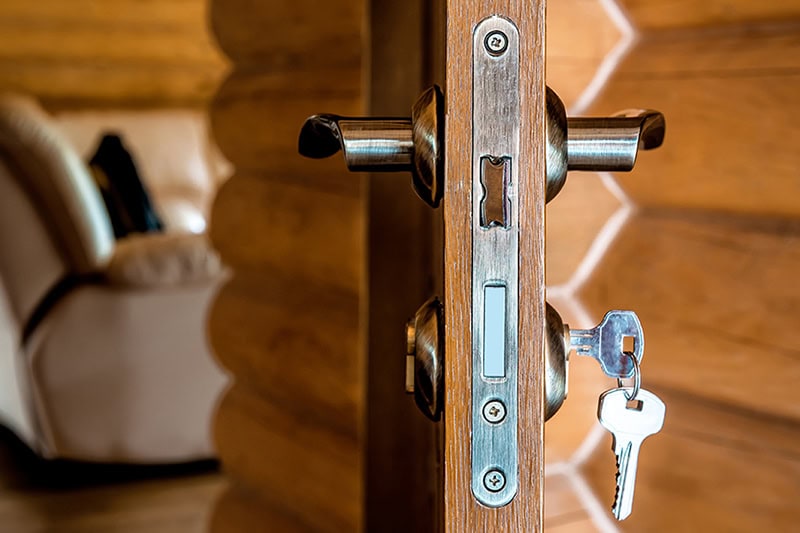
In the modern healthcare environment, security demands more than simply locking doors.
An access system must effectively balance patient privacy, staff safety, regulatory compliance, and the protection of sensitive data.
As experts in commercial security, our Action Lock & Key locksmiths install, repair, and maintain all types of access systems, from traditional lock and key setups to high-tech electronic systems in Boston and surrounding communities. We understand that mechanical keys may be ideal for small commercial buildings, but they are a major liability in medical settings.
If you own or manage a medical facility, accept nothing less than an electronic locking system, which offers a powerful return on investment by improving security, enhancing efficiency, and ensuring compliance.
Our guide to electronic locking systems will help you learn why this technology is best suited to the unique demands of healthcare facilities, from bustling hospitals to neighborhood clinics.
Electronic Locking and Medical Facilities
Electronic locking systems are not one-size-fits-all; they are tailored to different levels of security and access required within a medical environment. Here are a few examples:
Key Card/Fob
This is the most common electronic access control system. Medical staff use a proximity card or key fob to gain entry to restricted areas.
This system is cost-effective, easy to manage, and provides an immediate audit trail. You know whose card or fob was used and where it was used. Revoking access for a terminated employee is immediate.
The downside to this system is that cards can be lost, shared, or cloned. Although it tracks where a card is used, it does not verify the identity of the person holding the card.
These electronic systems are best for main staff entrances, administrative offices, non-clinical storage rooms, and basic perimeter control.
Biometric Systems
Biometrics use unique physical traits, such as fingerprints and facial features, for verification.
They provide the highest level of security because the credentials are impossible to share or clone. Biometrics provide rapid identification and indisputable proof of identity for auditing purposes. Downsides include the high initial cost and potential privacy concerns regarding data storage. Gloves and dirty hands can also interfere with fingerprint readers.
They are excellent access control systems for pharmacies, narcotics storage vaults, laboratories, human resources offices, and surgical suites where access must be strictly controlled and audited.
Electronic Strikes and Electromagnetic Locks
Strike plates and locks are the hardware that actually secure the door, often integrated with the access control system.
An electronic strike plate replaces a standard strike plate, allowing the door to open electronically.
An electromagnetic lock, also known as a maglock, uses a powerful electromagnet to hold the door shut. The device requires constant power to lock, but offers incredible holding force. Maglocks are often used on perimeter doors and fire exits.
The Benefits of Electronic Access in Medical Buildings
Upgrading from mechanical keys to electronic access control provides a huge return on investment in terms of security, safety, regulatory compliance, and operational efficiency. Consider how an electronic access system influences these critical areas of medical management:
Enhanced Security and Safety
With mechanical keys, every lost key represents a permanent security risk until the locks are rekeyed. Electronic systems eliminate this risk instantly.
Every entry attempt is logged, including the time, date, and user. This is crucial for investigation and can help determine who entered a supply room at a specific time, as well as for maintaining accountability in accessing medication and sensitive equipment.
Access can be managed by time of day or employee role. In an emergency, entire wings or floors can be instantly locked down from a central security office, protecting patients and staff.
Regulatory Compliance in Your Massachusetts Medical Facility
The Health Insurance Portability and Accountability Act (HIPAA) mandates strict physical security of patient records.
Electronic access control provides the documented proof required by HIPAA that access to file rooms, servers, and sensitive clinical areas is limited to authorized personnel only. Biometric systems offer the highest level of assurance for this purpose.
By securing the doors to server rooms and data cabinets, you protect the physical infrastructure that houses electronic patient records, directly addressing a key area of HIPAA compliance.
Saving Money With Electronic Access Systems
You can save money over time with electronic access systems in place.
In a lock and key system, you spend money for rekeying every time a key goes missing or a staff member departs with their key. With an electronic system, there is no rekeying cost. You delete an employee’s credentials with a single click.
Electronic systems also save time, which translates into savings. Staff can move quickly between approved areas using a single credential, improving workflow and reducing the time spent fumbling with keys or waiting for doors to be manually unlocked. This is particularly crucial in high-stress, time-sensitive environments, such as emergency rooms or operating rooms.
Tailoring Electronic Access to Medical Facilities
Simple, reliable key card access for the main entry and drug closets is usually sufficient for a small clinic or medical office.
For a large hospital or medical center, a layered approach works well. For example, key cards may be sufficient for perimeter doors, while high-security zones, such as pharmacies and server rooms, employ biometrics. Internal ward doors might use electronic locks integrated into the facility’s overall access control software.
Upgrade the Access System in Your Medical Facility
Don’t let outdated keys compromise the safety and integrity of your medical practice in Boston. Let Action Lock & Key show you how an electronic locking system provides measurable return on investment through increased security, seamless compliance, and improved operational flow. Call us at 781-229-9992 or request service online to schedule a consultation on medical facility security and access.